
Pentecost 2026 Part Three: Simon Peter’s Pentecost

Wind and fire and tongues, these were prophesied hundreds of years before. This miracle is a demonstration of God’s power and his longing for people to be a caring community. It shows that being a temple of the Spirit is no longer a geographical or architectural space; it’s a sanctuary made out of each one of us, a tangible sign of God’s love through our presence in the community. The new temple is an overlap of heaven and earth, not on a mountain or in a cathedral, but made up of the daily lives of thousands of men and women who follow Jesus.
Pentecost 2026 Part Two: John Wesley’s Pentecost
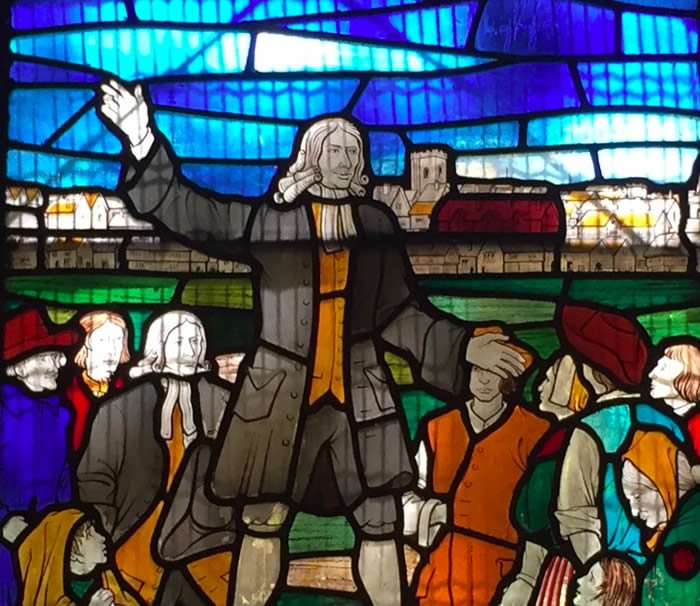
One night in 1738 after a time of prayer at St Paul’s Cathedral, he went to a Moravian Bible study in nearby Aldersgate Street. During the meeting – at a quarter to nine – John experienced what is sometimes called his conversion:
“I felt my heart was strangely warmed. I felt I did trust in Christ alone for my salvation.”
He felt assured his sins were forgiven and stood up and testified to the change in his spirit. From then on, he began preaching an evangelical message to all who would listen. Just like the disciples whose hearts burned on the Emmaus Road, he had at last grasped the real meaning of the Easter Story.
Pentecost 2026 Part One: When Pentecost gets Personal
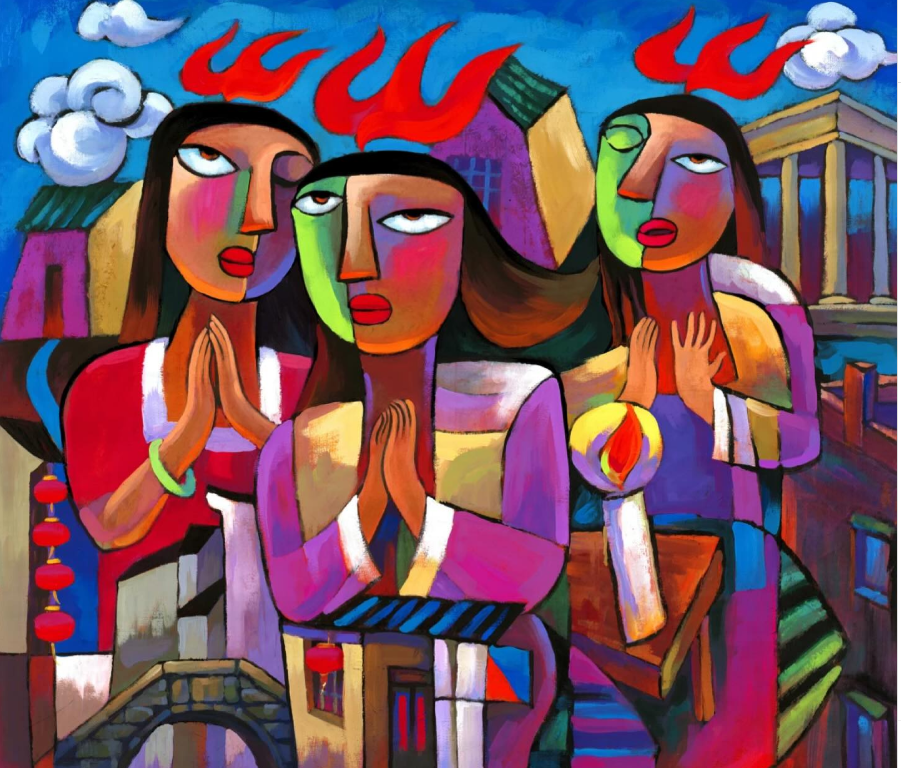
One night at St. Paul’s Chapel on Symonds Street, I asked my cell group leader to pray that I might be filled to overflowing with the Spirit. I didn’t shake, laugh, or cry like others I knew; I simply felt peaceful. My leader reminded me of Luke 11: “Our heavenly Father gives the Holy Spirit to those who ask him.” I received that by faith.
Holy Days and Holidays 8 -The Mystery of Rituals

From handshakes to hazings, parades to prayers, coronations to christenings, every society practices rituals, many of which predate agriculture. Archaeologists often consider ritual to be one of the core defining features of modern humans, because it is related to the capacity for symbolic thought….
Holy Days and Holidays 7 – Journalling: Journey in the Imagination

Reflective Writing or Journalling is an ancient tradtion that not only conserves thoughts and feelings from the moment but can be integrated into our prayer lives as a vibrant Spiritual Practice.
Holy Days and Holidays 6 – Nostalgia: Familiar Places
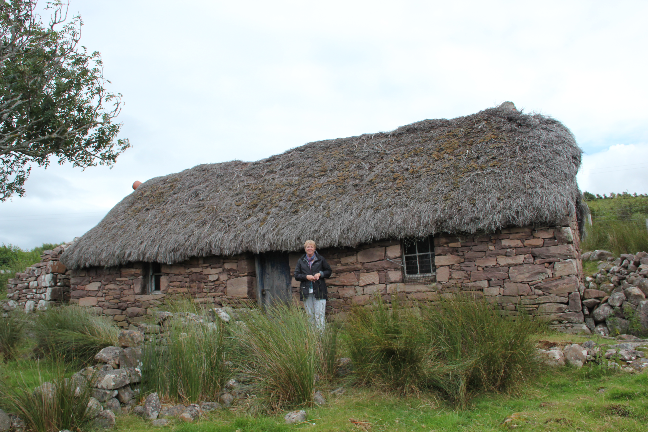
I wonder what spots have been for you a place of experiencing the presence of God?…From Celtic Christian spirituality we inherit the idea of ‘thin places’, where God seems especially close, and the gap between heaven and earth seems narrow.
Holy Days and Holidays 5 – Adventure: Exploring New Places
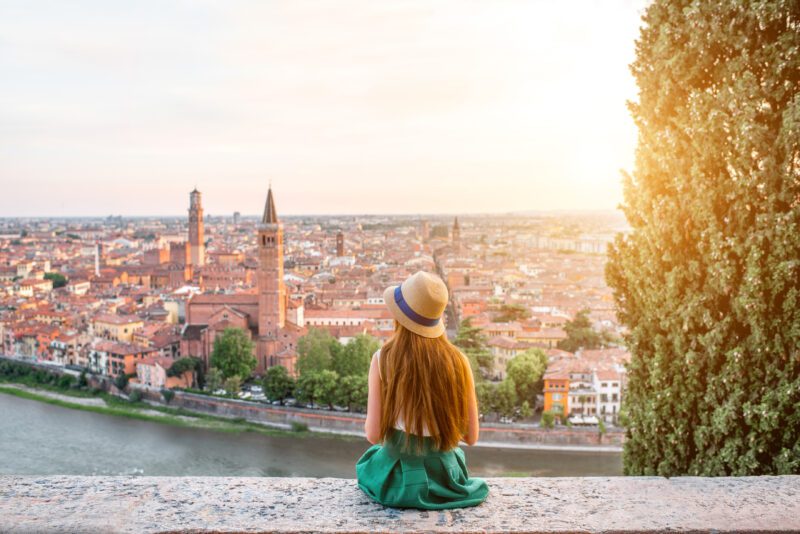
Journeys and travel are themes which return regularly throughout the Bible. Many individuals in the story of the people of God are called to move out of a place which is comfortable and familiar and go to a new place…..Whether you go to new places as visitors, or settlers, there is much to be learned from engaging with strangers and thoughtfully adopting new practices as we learn how to seek the peace and prosperity of our own cities.
Holy Days and Holidays 4 – Creation: Enjoying God’s Handiwork
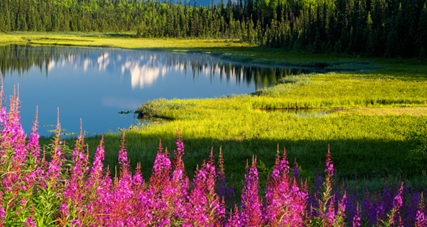
We each have our own unique criteria for what makes the perfect holiday destination, but most of us would choose a place that we find beautiful in some way. In our everyday lives, we often dwell in environments that are more functional than beautiful. Taking a holiday can be a refreshing escape from this routine.
Holy Days and Holidays 3: Connection – The Joy of Food

If we notice the stories about food we find in the Bible, we find plenty of them; Abraham, Elijah, David, Isaiah, feasts like Passover, parables, loaves and fishes and of course the Lord’s Supper…a shared meal is an encounter with grace, a way to build community and caring, not just with family and friends, but at times also with strangers. That’s why we talk about ‘eating together’ rather than feeding.
Holy Days and Holidays 2 – Rest: Catching our Breath

For millennia, religions have regarded ritual rest as a spiritual necessity. More recently though, faith leaders are arguing that this practice, whether in a secular or religious context, can help redirect the world’s societies away from catastrophic climate change. They suggest a shared day of rest might slow the pace of consumption, curb emissions or ease the burden people working weary weekends.